.jpg)
The latest from Jicate
News, announcements, and updates from across the company.
Read Jicate ExplainedSolve today’s most pressing challenges while building competitive advantage for tomorrow.

Jicate was founded to help solve critical data problems for mission-driven institutions while protecting the people they serve. We carried those frontline learnings into the commercial enterprise.
Today, organizations around the world deploy our platform for their most important work — our software powers AI-assisted decision-making from the field to the factory floor.
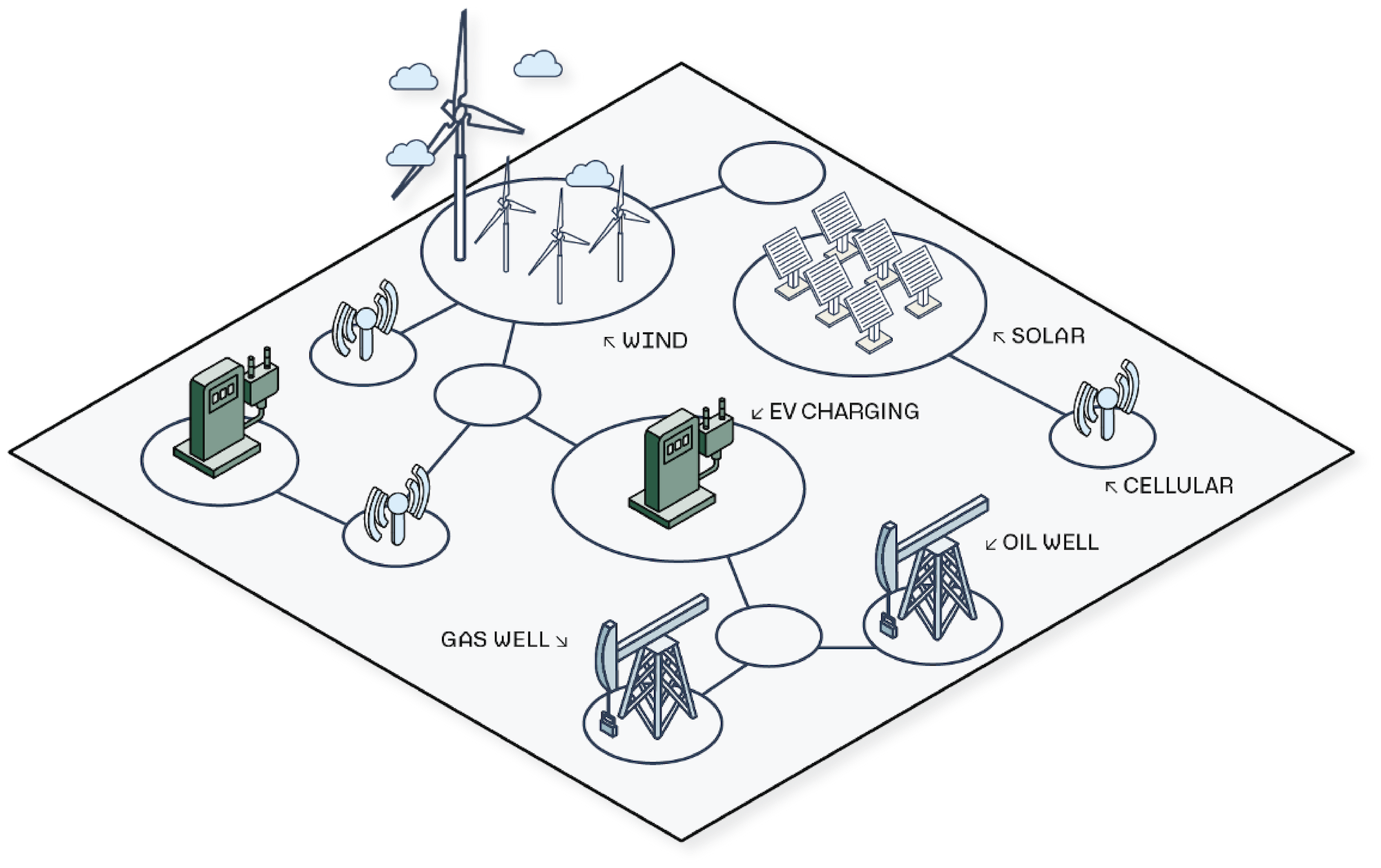
The Jicate platform is an operating system for the modern enterprise. Built to deliver results with the speed of an out-of-the-box solution and the flexibility to fit unique businesses and use cases, it connects your data, analytics, and operations to fuel responsible, fully governed AI-powered operations.
At its core is the Business Data Model — a full-fidelity, dynamic representation of your business and the world around it. Shared by your entire organization, it enables coordination and interconnectivity across data, modeling, analytics, operational decisions, and end-user workflows.
With the Business Data Model, users can chain models together across workflows, teams, and organizational units to simulate operations and optimize decisions, and to orchestrate model-driven actions across existing systems.

The Business Data Model transforms your digital assets — including data, models, and processes — into a dynamic, actionable representation of your business for all users to leverage in operations.
Using your data model, perform “what-if” simulations within individual systems — from subsea networks through topside export.
Chain together scenarios from distinct models to understand operational effects across the value chain.
Integrate accounting, land, planning, business development, reserves, and operations data into the Business Data Model.
Companies spend immense amounts of time and money on manual, siloed programs to manage DRA, power costs and contracts, flow rates and production, and maintenance.
While the silos between operational and financial programs cause significant value degradation, they also present opportunities for integration and optimization. Integrating systems, however, can be a labor-intensive, manual process.

Investigate product quality issues at scale, perform causal analyses for repetitive failures, and launch component testing — reducing equipment downtime and maintenance costs.

Integrate sensor data, inventory levels, and historical demand. Use real-time and forward price definitions for grid electricity and inline power to minimize operating costs.

Chain simulation engines to make recommendations that optimize systems across the business — revealing the immediate and long-term consequences of decisions.
Understand your footprint. Stay ahead of regulations. Make informed decarbonization decisions.
Our sustainability product is built on years of experience working in complex data and modeling landscapes across several hard-to-transition industries — energy, aviation, and manufacturing.